


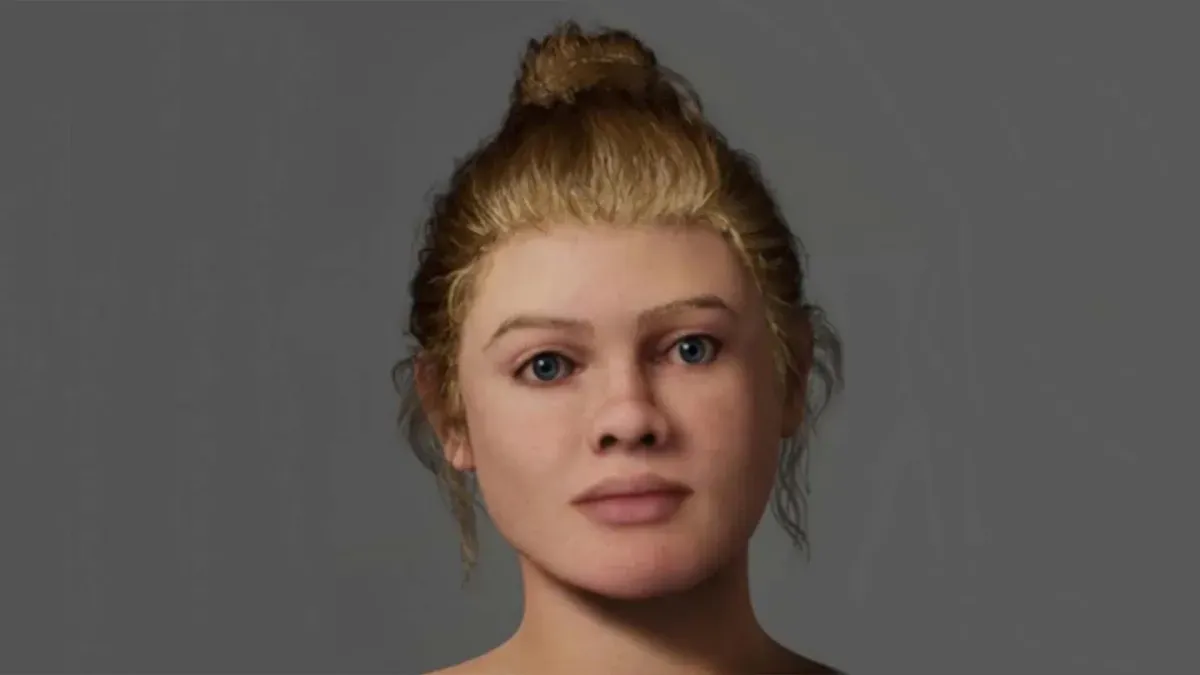
A Roman-era skeleton found in a town hall basement has rewritten her origins, revealing a local life in ancient Britain after decades of speculation about African or Mediterranean roots. The Beachy Head Woman, a Roman-era skeleton discovered in 2012, was initially thought to have sub-Saharan African or Mediterranean ancestry based on early DNA studies.
New high-quality DNA analysis published in 2026 in the Journal of Archaeological Science indicates she was most likely a local Roman-era Briton.
Researchers at the Natural History Museum conducted advanced DNA sequencing in 2024, enabling more precise comparisons with Roman-era British populations. The study confirmed no recent African or Mediterranean ancestry, aligning with archaeological evidence of Roman Britain's population.
Dr. William Marsh, a lead author, stated, 'We show she carries genetic ancestry that is most similar to other individuals from the local population of Roman-era Britain.'
Radiocarbon dating places her death between 129 and 311 AD; physical analysis suggests she was 18-25 years old, 1.5 meters tall, and consumed seafood. Dr. Selina Brace emphasized the evolving nature of scientific understanding, noting, 'Our scientific knowledge and understanding is constantly evolving.'