


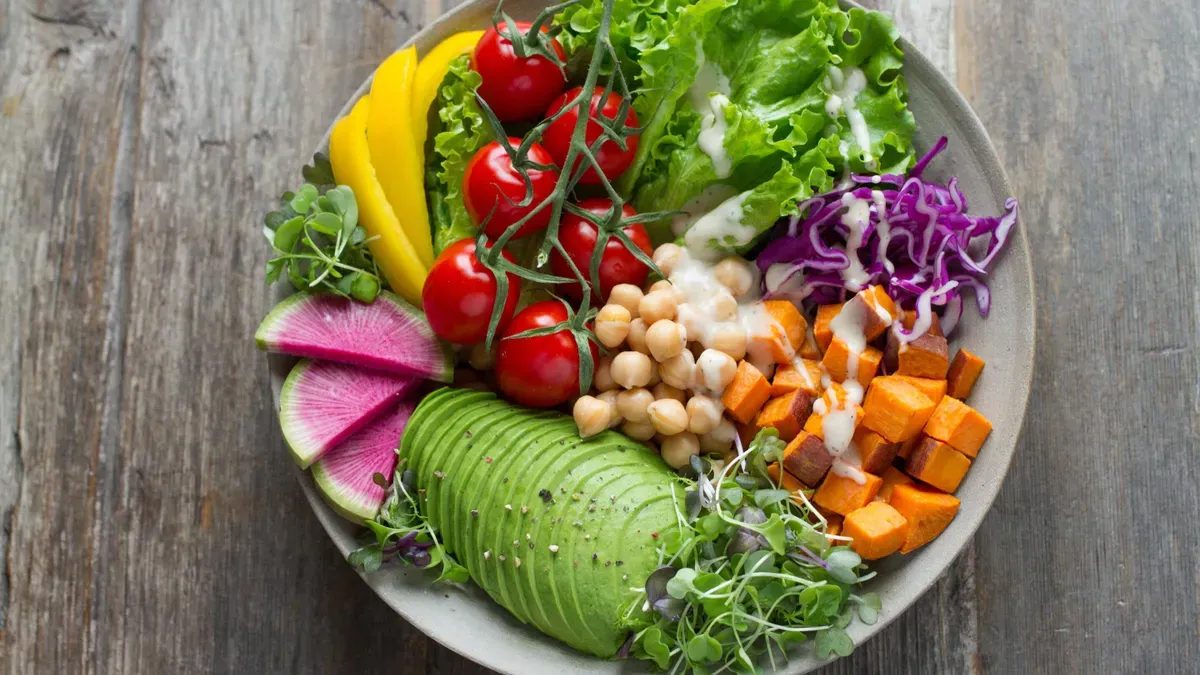
Could a bowl of oatmeal or a handful of berries hold the key to preserving memory as we age? A recent cross-sectional study of 72 adults aged 65 and older in Brookings, S.D., explored the relationship between dietary patterns and cognitive health.
Researchers found that higher intake of fiber, unsaturated fats, and micronutrients like Vitamins A and E, magnesium, and potassium correlated with better cognitive function.
Conversely, consumption of refined grains showed a negative association with memory and brain performance.
Samitinjaya Dhakal, a researcher involved in the study, emphasized the public health implications of these findings:
"The increasing burden of cognitive diseases represents a major public health challenge... diet may offer a significant opportunity to prevent or delay cognitive decline."
The study proposed a biological mechanism: dietary fiber fermentation into short-chain fatty acids may reduce inflammation, a known contributor to cognitive decline.
However, the researchers acknowledged limitations, including the exploratory design, small sample size, and reliance on self-reported dietary data.
Dhakal added:
"Our findings suggest fiber, unsaturated fats, carotenoids, and key micronutrients play a significant role in supporting healthy brain aging."
As with all cross-sectional analyses, these results indicate correlation rather than causation.
Further research is needed to confirm these associations in larger, longitudinal studies.
⚠️ LEGAL DISCLAIMER: It is for informational purposes only. It never substitutes for professional medical advice, diagnosis, or treatment. Always consult your doctor regarding any questions about your health.