


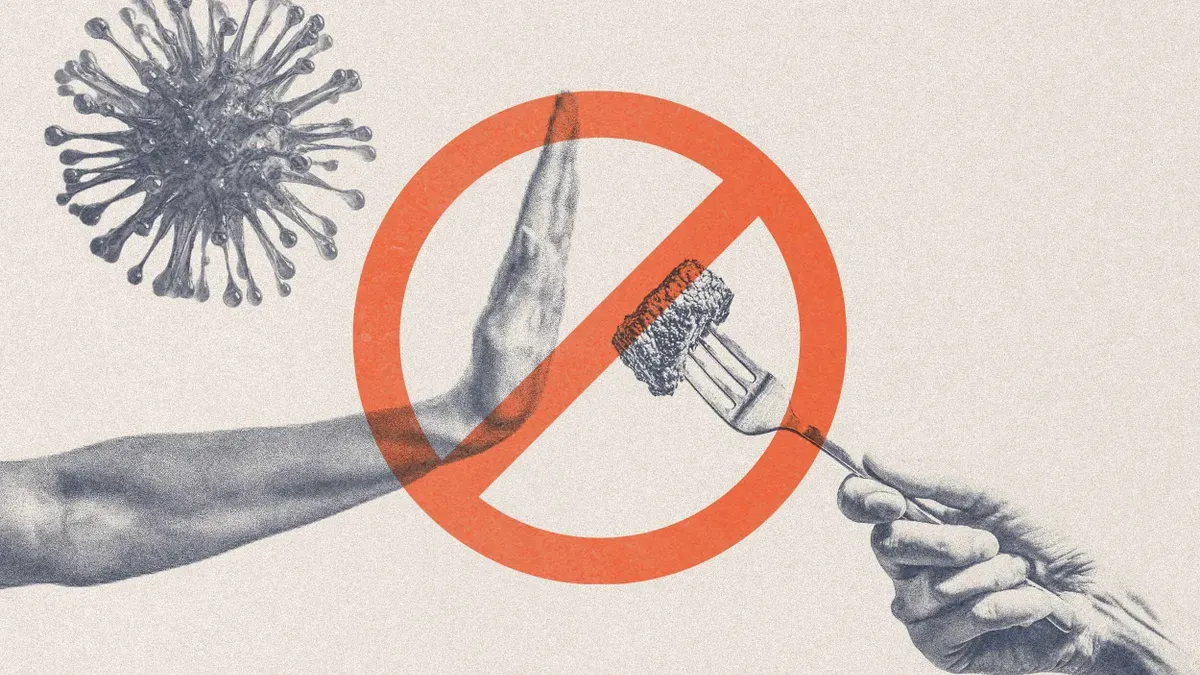
A centuries-old health myth, feed a cold and starve a fever, is being scrutinized by modern science—revealing a disconnect between tradition and evidence.
The adage originated in 1574 and was based on outdated practices of 'cooling' fevers through fasting or bloodletting. However, contemporary research has exposed this advice as medically unsound.
Dr. Beth Quatrara said:
"There are health care traditions that have been passed down from generation to generation, and some of them do work. But feeding a cold and starving a fever is definitely not backed."
Quatrara emphasized that fasting during illness is counterproductive: "Starving is not good. You want to have a lot of fluids on board because... your sinuses are clogged up, and you want to thin those secretions."
Modern guidance prioritizes hydration and balanced nutrition for both colds and fevers, which often co-occur. Foods rich in antioxidants—such as vegetables, berries, and honey—may help alleviate symptoms due to their anti-inflammatory properties.
Dr. Quatrara added:
"The best defense against getting sick is advice you probably already know... Rest up, eat a healthy diet, move your body, stay hydrated and take care of yourself."
While some supplements like vitamin C lack strong evidence for shortening cold duration, excessive zinc intake can cause side effects like hearing loss or impaired taste/smell. The article clarifies that no independent expert commentary was included in the source.
⚠️ LEGAL DISCLAIMER: It is for informational purposes only. It never substitutes for professional medical advice, diagnosis, or treatment. Always consult your doctor regarding any questions about your health.