


Creatine is no longer just for bros—it’s fueling Pilates sessions, TikTok workouts, and longevity retreats as women rewrite its story.
At its core, creatine aids in ATP regeneration, the body’s primary energy currency. By replenishing ATP stores, it enhances short bursts of high-intensity activity and supports muscle preservation, particularly during resistance training.
Gretchen Zimmermann notes that women, who naturally have lower muscle mass than men, may benefit more from supplementation due to their baseline physiology. “Creatine has been gaining popularity among women across different age groups,” she says. “Now we know that’s not true, and naturally there’s some interest in creatine for that reason.”
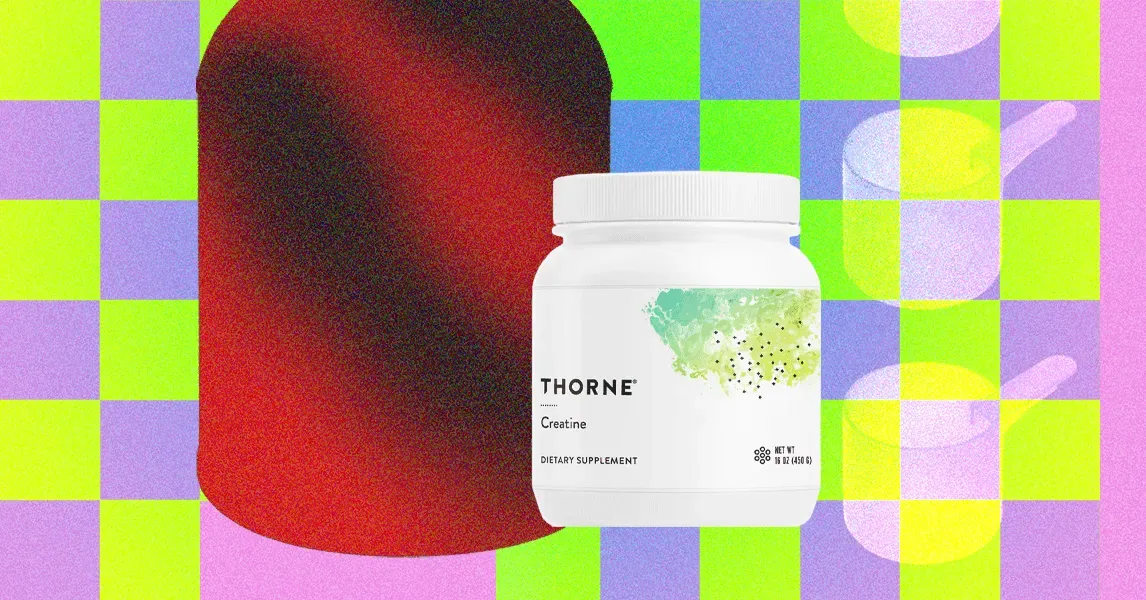
Thorne’s clinical approach prioritizes purity and precision. Its creatine is flavorless, offers 5-gram servings, and undergoes four rounds of third-party testing. In contrast, Peach Perfect’s flavored blends combine 5g creatine with 1g collagen and 1g BCAAs, targeting convenience and palatability with options like pink lemonade.
The International Society of Sports Nutrition emphasizes that “Creatine monohydrate is the most studied, the most effective, and usually the cheapest,” underscoring its foundational role in supplementation.
Despite its benefits, safety concerns persist. The American Academy of Pediatrics advises against creatine use in people under 18, while the FDA does not regulate supplement label accuracy or purity.
Zimmermann adds, “Women tend to have lower muscle mass than men, just naturally, so I think women may actually respond better to supplementation, because they’re at baseline.”