Cooling That Slays Fans: Frore’s AirJet and LiquidJet Make Dust Bunnies Obsolete
If you’ve ever been to a laptop repair shop, you’ve seen the dust bunnies. Frore Systems might just be the death of them—and your GPU’s overheating blues, too.
Adobe CEO Shantanu Narayen defended the strategy:
"I need these for my desktop, stat."
Frore Systems’ AirJet Mini G2 units form AirJet Paks for ultraportables and laptops, cooling up to 45W with dust-proof, water-resistant design. The AirJet Pak 5C (300g) cools a 40W Nvidia Jetson Orin NX Super, replacing a 2kg heatsink.
This visceral size/weight gain—300g versus 2kg—demonstrates the potential of vibration-membrane technology to eliminate maintenance from dust and fan cleaning.
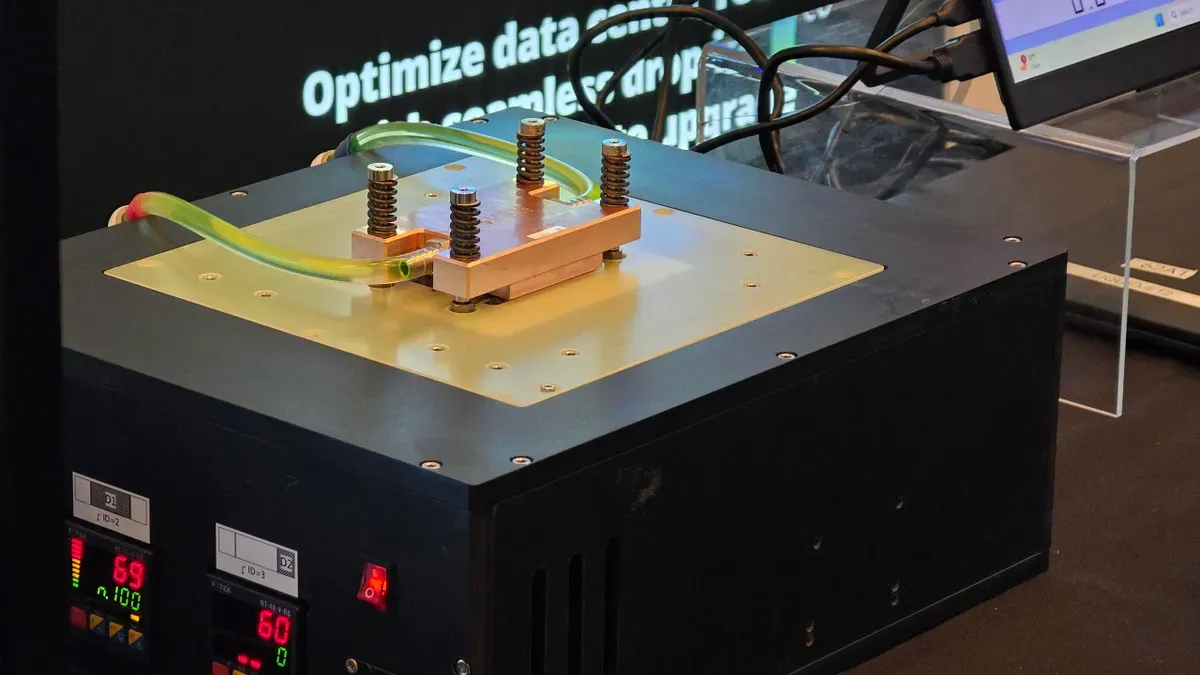
The Galaxy Book 5 Pro variant with four AirJet Mini G2s achieves 27 dB noise at 24W TDP, compared to 32-37 dB in the base model. LiquidJet, meanwhile, uses 3D-micromachined cold plates for high-TDP workloads: a 1950W Nvidia Rubin 2 SoC is cooled to 65-70°C, and a 1200W ASIC operates at 70-75°C with 34.5°C inlet water.
AirJet Paks target ultraportables with 'near-silent' operation, while LiquidJet focuses on AI servers and datacenters.
Both systems emphasize ROI via reduced power costs, though their real-world adoption will depend on balancing upfront investment against long-term savings.