


China’s Xuntian space telescope, set to launch by 2027, has completed a full observation simulation, showcasing its potential to revolutionize sky surveys. The Chinese Space Station Telescope (CSST), also known as Xuntian, is scheduled for a 2027 launch via Long March 5B rocket. The telescope features a 2-meter primary mirror, a 2.5-billion-pixel camera, and a field of view 300 times larger than Hubble. A simulation suite was developed to test observational performance, with results published in Research in Astronomy and Astrophysics (January 2024).
Chinese space officials describe Xuntian as a much more capable sky survey instrument compared to existing observatories.
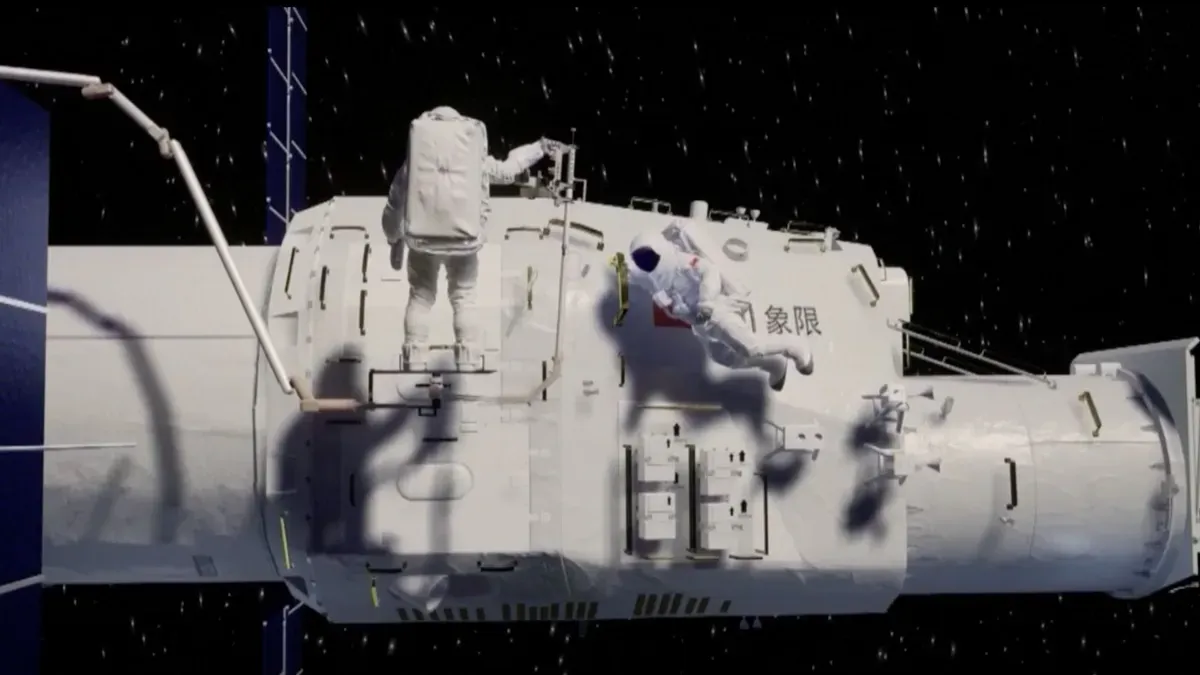
The telescope will co-orbit with Tiangong space station, enabling astronaut-led maintenance via docking, similar to NASA's Hubble servicing missions. This infrastructure allows for potential upgrades and repairs during its operational lifespan.
The National Astronomical Observatories of China (NAOC) leads the project, which will study cosmology, galaxy evolution, the Milky Way, and dark matter/energy.
While the simulation suite confirms the telescope’s design parameters, peer-reviewed performance metrics beyond the source’s claims remain unverified. The team acknowledges the need for further operational testing after deployment.