


China's carbon emissions have flatlined for 21 months, raising questions about whether the world's largest emitter has reached a climate turning point ahead of schedule.
According to the Centre for Research on Energy and Clean Air (CREA), CO2 emissions fell 1% in Q4 2025 and 0.3% annually, marking the longest period of plateaued or declining emissions without economic slowdown on record. Sectoral analysis reveals mixed trends: transport (-3%), power (-1.5%), and building materials (-7%) saw declines, while the chemicals industry rose 12%.
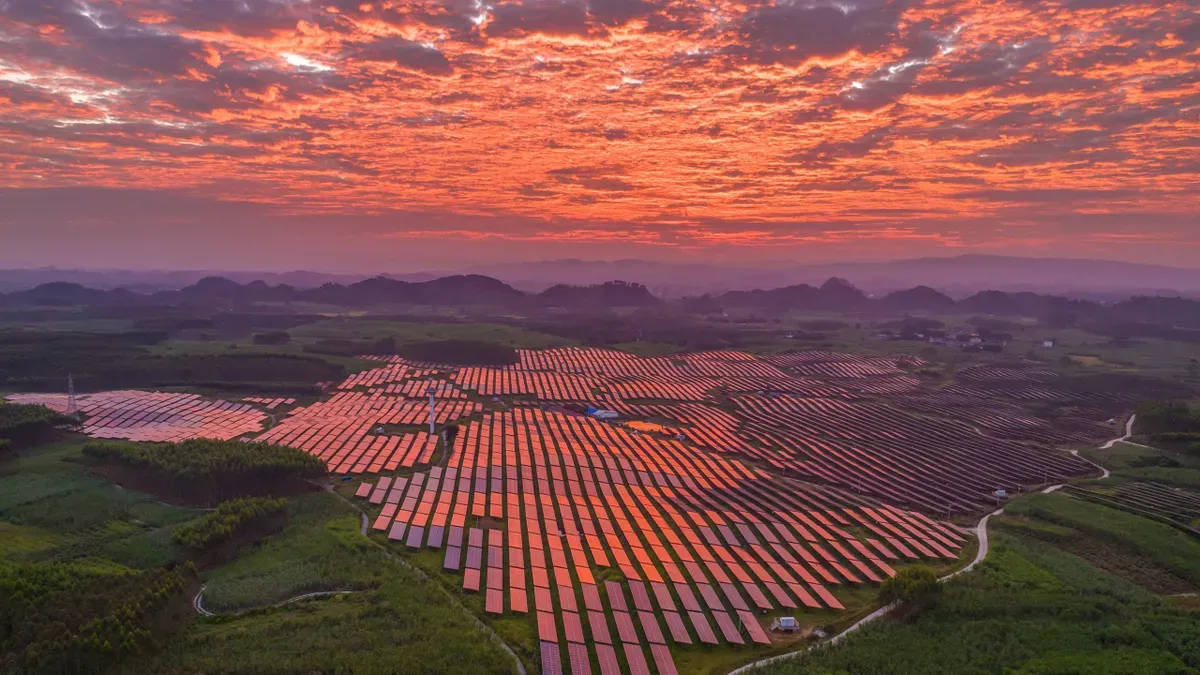
Renewable energy output surged 43% for solar, 14% for wind, and 8% for nuclear, collectively adding ~530 TWh—nearly matching the 520 TWh increase in power demand. Energy storage capacity expanded by 75 GW, exceeding the 55 GW demand growth.
CREA notes that Chinese five-year planning references a potential coal consumption plateau by 2027, which could delay absolute emission cuts until after 2030. Carbon intensity (emissions per unit GDP) fell 12% from 2020-2025, but requires a 23% reduction by 2030 to align with Paris Agreement goals.
Lauri Myllyvirta, CREA co-founder, stated, "The numbers imply... China now needs to cut carbon intensity by around 23% over the next five years." This analysis separates CREA's findings from Chinese government statements about future planning, emphasizing the 2027 coal plateau as a key uncertainty.
The data does not confirm a peak in emissions but highlights the interplay between renewable growth and sectoral shifts.