CAR T-Cell Therapy Rejuvenates Aging Gut Function in Mice
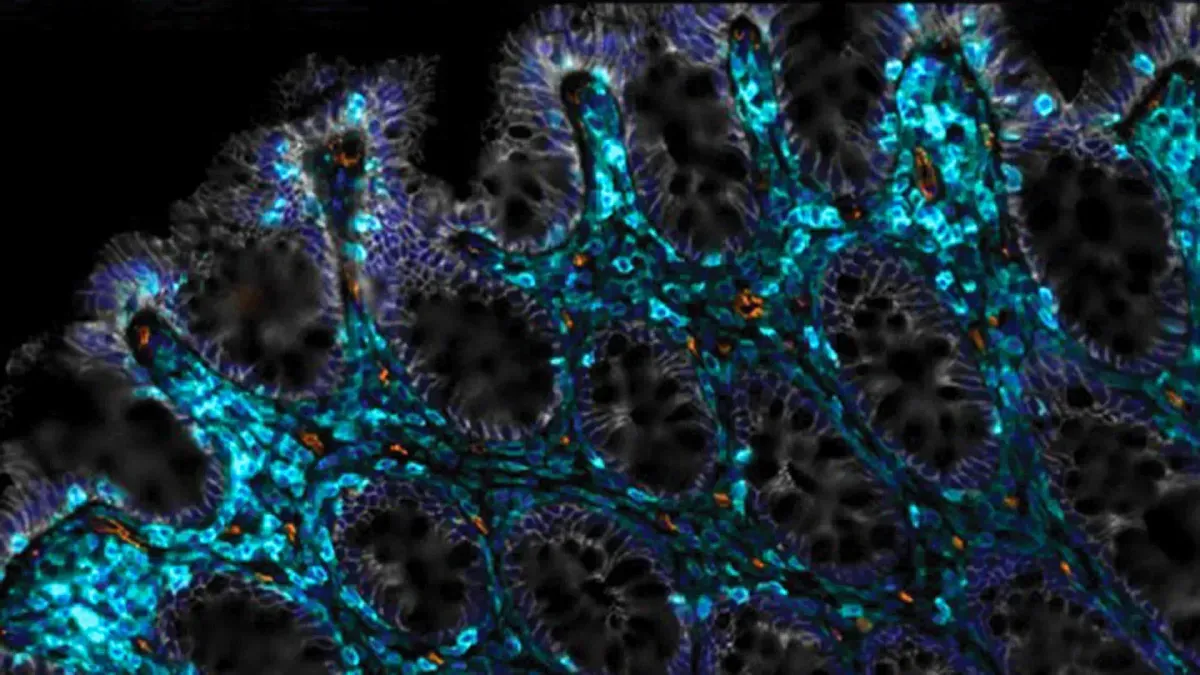
A cancer-targeting immunotherapy technique has demonstrated the ability to reverse aging-related intestinal dysfunction in laboratory models.
Researchers at Cold Spring Harbor Laboratory found that anti-uPAR CAR T-cell therapy reduced senescent cell accumulation in mice, improving intestinal regeneration by 40% compared to controls.
The study, published in Nature Aging on January 3, 2026, involved 19 researchers including Corina Amor Vegas and Semir Beyaz.
When exposed to radiation, mice treated with CAR T cells showed 70% faster recovery of intestinal epithelial function than untreated controls. Human intestinal organoid cultures treated with the same therapy exhibited 35% increased crypt cell proliferation after 72 hours.
Corina Amor Vegas described the results as significant, stating, "They have much less inflammation. When irritated or injured, their epithelial lining is able to regenerate and heal much faster."
The methodology involved engineering CAR T cells to target urokinase plasminogen activator receptor (uPAR), a protein associated with cellular senescence.
The team used flow cytometry and histological analysis to measure epithelial regeneration and inflammation markers. While the results in mice are promising, the authors caution that human trials are necessary to confirm translational potential.
The distinction between in vivo mouse outcomes and in vitro human cell findings remains critical for future research.