


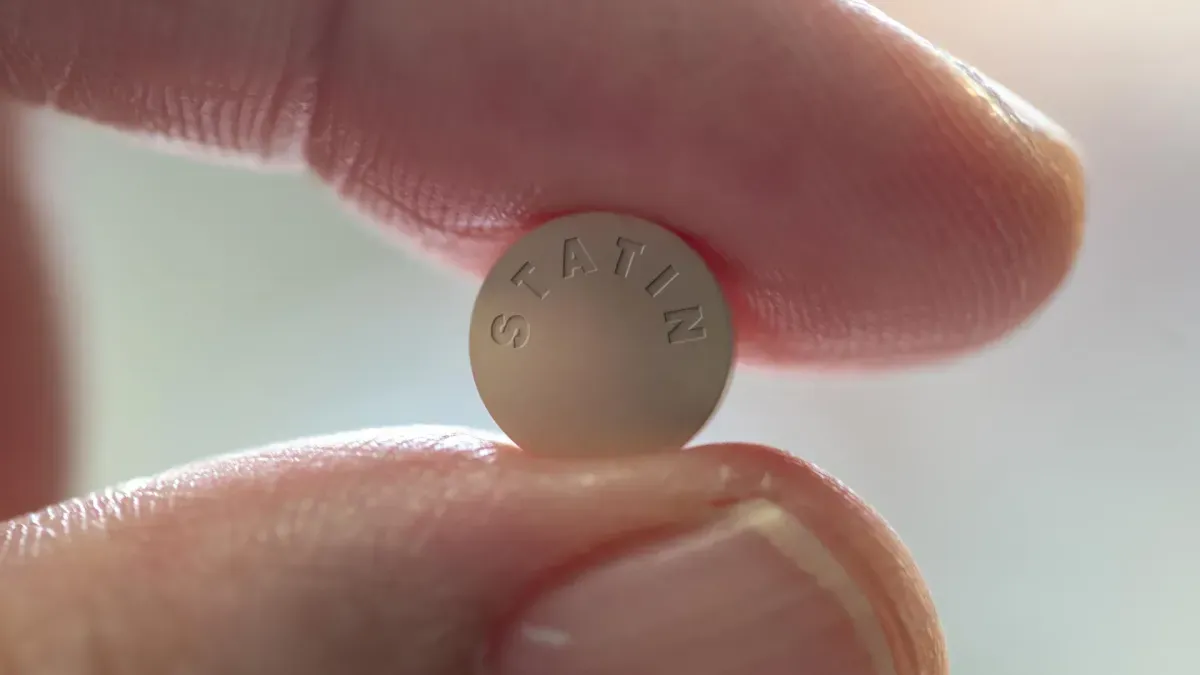
A 38-year mystery about why statins cause muscle pain may finally have an answer in the form of a calcium leak inside muscle cells. Researchers have identified that simvastatin binds to two sites on the ryanodine receptor (RyR1) in muscle cells, leading to calcium leaks that may result in muscle weakness and breakdown.
This discovery was made possible through cryo-electron microscopy, which revealed atomic-level interactions between simvastatin and the RyR1 protein.
The clinical relevance of this finding is significant, as it affects approximately 10% of the 40 million U.S. statin users—around 4 million people—who discontinue treatment due to muscle-related side effects.
Dr. Andrew Marks, a key figure in this research, noted that while this explanation may not apply to everyone experiencing muscular side effects, it represents a substantial number of individuals who could benefit from potential solutions.
The proposed solutions include redesigning statins to avoid RyR1 binding or utilizing experimental calcium-leak blockers.
However, it is important to recognize that these findings are based on simvastatin, and further research is needed to determine if other statins interact similarly with RyR1.
Dr. Marks involvement in this research is accompanied by a conflict of interest, as he owns stock in RyCarma Therapeutics Inc. a company developing compounds targeting RyR1. This financial tie underscores the need for independent validation of the study's findings.
Dr. Andrew Marks:
"It is unlikely that this explanation applies to everyone who experiences muscular side effects with statins, but even if it explains a small subset, that's a lot of people we could help if we can resolve the issue."
⚠️ LEGAL DISCLAIMER: It is for informational purposes only. It never substitutes for professional medical advice, diagnosis, or treatment. Always consult your doctor regarding any questions about your health.