


Apple’s AI stumbles didn’t stop it from dominating the smartphone market — yet.
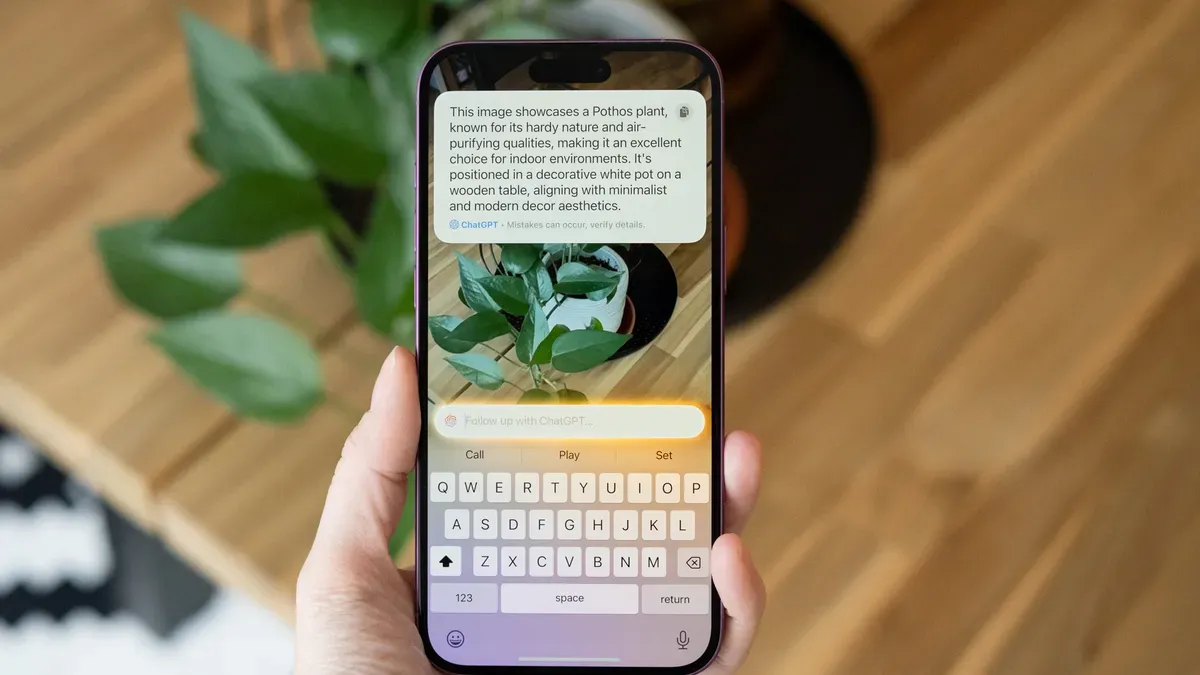
Tim Cook’s 2009 declaration that Apple must “own and control the primary technologies behind the products we make” now stands in stark contrast to the company’s current AI strategy. The iPhone 17’s marketing has downplayed AI after the delayed and incomplete rollout of Apple Intelligence with the iPhone 16 in 2024.
Despite these setbacks, IDC’s Q3 2025 report shows iPhone 17 pre-orders exceeded those of the previous generation, while Counterpoint Research notes a 10% year-over-year growth in Apple’s global smartphone market share.
Apple is now integrating Google’s Gemini models to power a reimagined Siri, running on its Private Cloud Compute infrastructure. This marks a shift from the App Intents framework to Anthropic’s MCP for agentic features, signaling a broader pivot toward third-party AI models.
The company’s 2009 philosophy of vertical integration now clashes with its reliance on external partners for core AI capabilities.
Market analysts observe that Apple’s smartphone dominance persists despite AI missteps. However, the disconnect between product performance and AI ambitions raises questions about whether this strategy will sustain long-term innovation.
The contrast with past successes like custom silicon highlights the risk of repeating past missteps, such as the limitations of the original Siri.