


Apple’s $20 billion banking power shift: How JPMorgan’s $1 billion discount buys a seat at the tech giant’s financial table—and what it means for your credit score.
Apple has announced that JPMorgan Chase will replace Goldman Sachs as the issuer of the Apple Card, with a transition timeline of up to 24 months. This move transfers $20 billion in card balances from Goldman Sachs to JPMorgan, with Goldman selling the portfolio at a $1 billion discount.
Goldman Sachs expects a $2.2 billion credit loss provision for Q4 2025 related to the Apple Card transition.
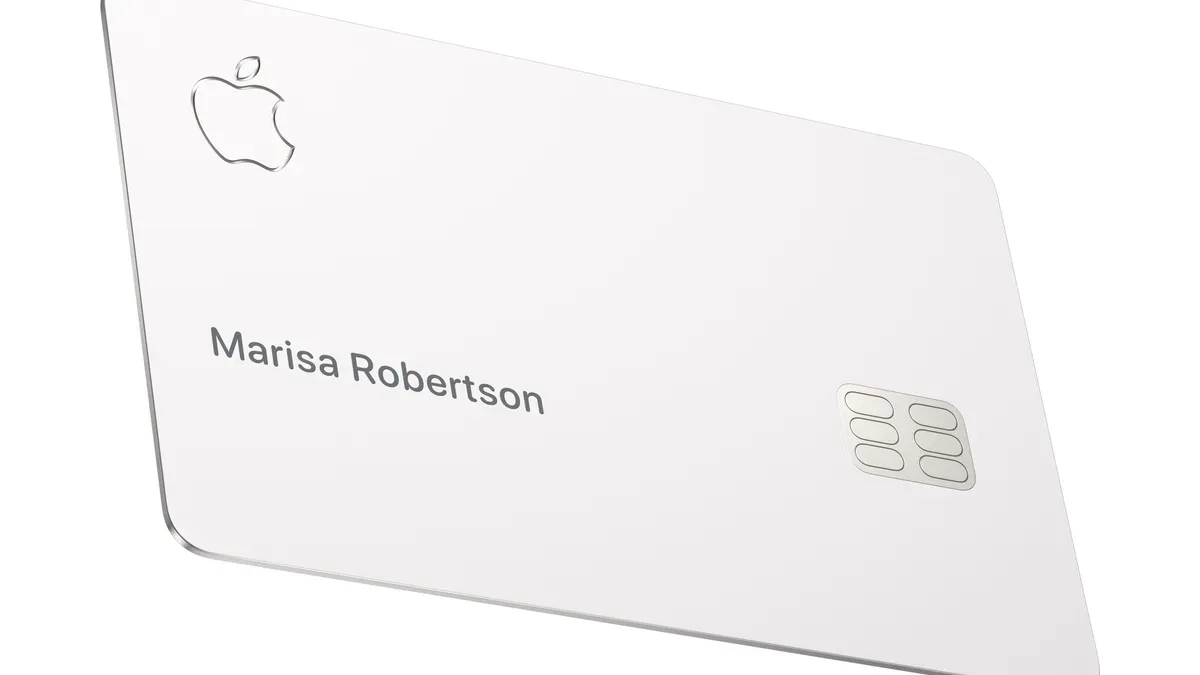
The Apple Card, launched in 2019, retains its Mastercard network integration and current rewards structure for users. For small business owners and freelancers relying on the Apple Card for credit access, the transition raises questions about network continuity and credit availability during the 24-month shift.
Users applying for cards before or after the transition will maintain access to the Mastercard network, but the financial mechanics of the deal could influence underwriting criteria and credit limits over time.
Goldman Sachs’ $2.2 billion provision highlights the risks of exiting a high-profile financial partnership. The discount reflects market pressures and the cost of scaling back from Apple’s banking ecosystem.
For small businesses, the shift may signal tighter credit conditions if JPMorgan adopts more conservative underwriting practices compared to Goldman Sachs.