Antifreeze Antidote Tested for Acetaminophen Overdose Liver Damage
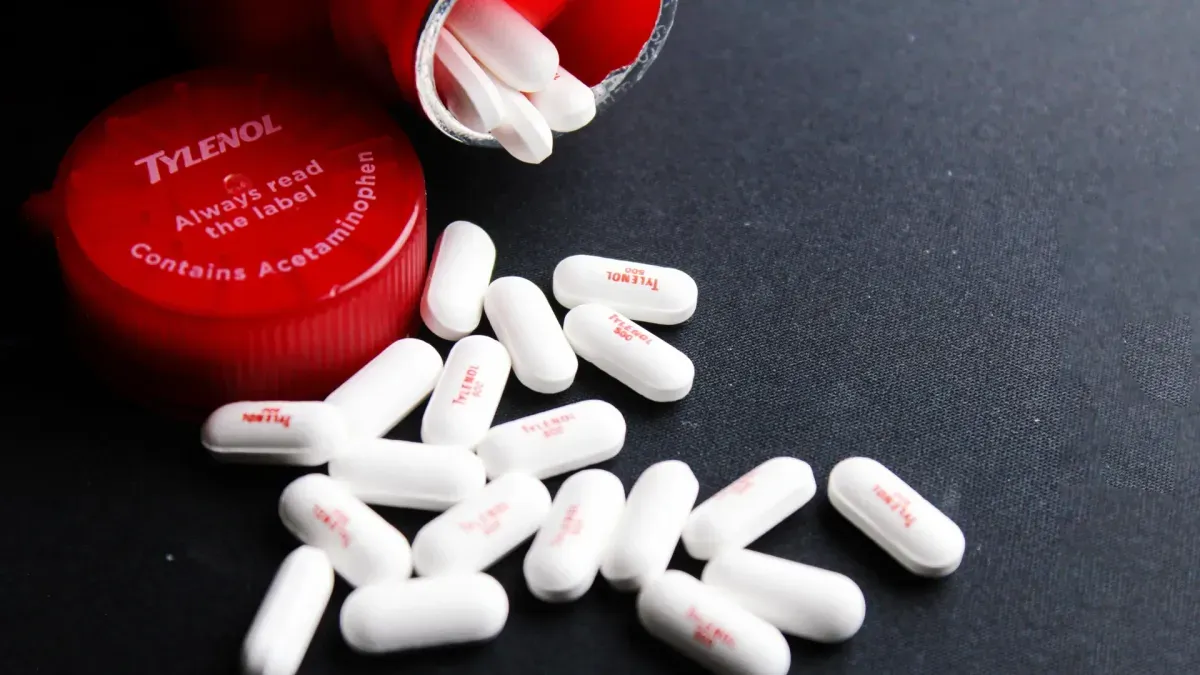
Acetaminophen overdoses trigger 56,000 annual U.S. emergency room visits—now a 25-year expert is testing an antifreeze antidote to mitigate liver damage. The clinical trial, currently in phase II, evaluates fomepizole in combination with standard acetylcysteine treatment for acetaminophen overdose.
Researchers at Denver Health, UCHealth, and Children's Hospital Colorado are enrolling 40 participants in a double-blind study.
Acetaminophen accounts for nearly half of all acute liver failure cases in the U.S., with standard acetylcysteine therapy becoming less effective after eight hours post-overdose.
Kennon Heard, MD, PhD, described the work as "the center of the acetaminophen research universe for the past 40 years." The trial aims to address this critical window where current treatments lose efficacy.
While fomepizole is FDA-approved for methanol and ethylene glycol poisoning, its off-label use in acetaminophen overdose remains unproven.
The study team emphasizes that phase II results will determine whether larger trials are warranted. "There's been a long history of this type of work being done here, and it's great to be a part of it," Heard noted, highlighting the institutional legacy in this field.
Researchers caution that the trial's preliminary status means no definitive conclusions can be drawn until phase III.
The study also underscores the importance of avoiding acetaminophen dose overlap across medications, a known risk factor for accidental overdose.