Ancient Cannabis Enzymes Revived for Modern Medical Applications
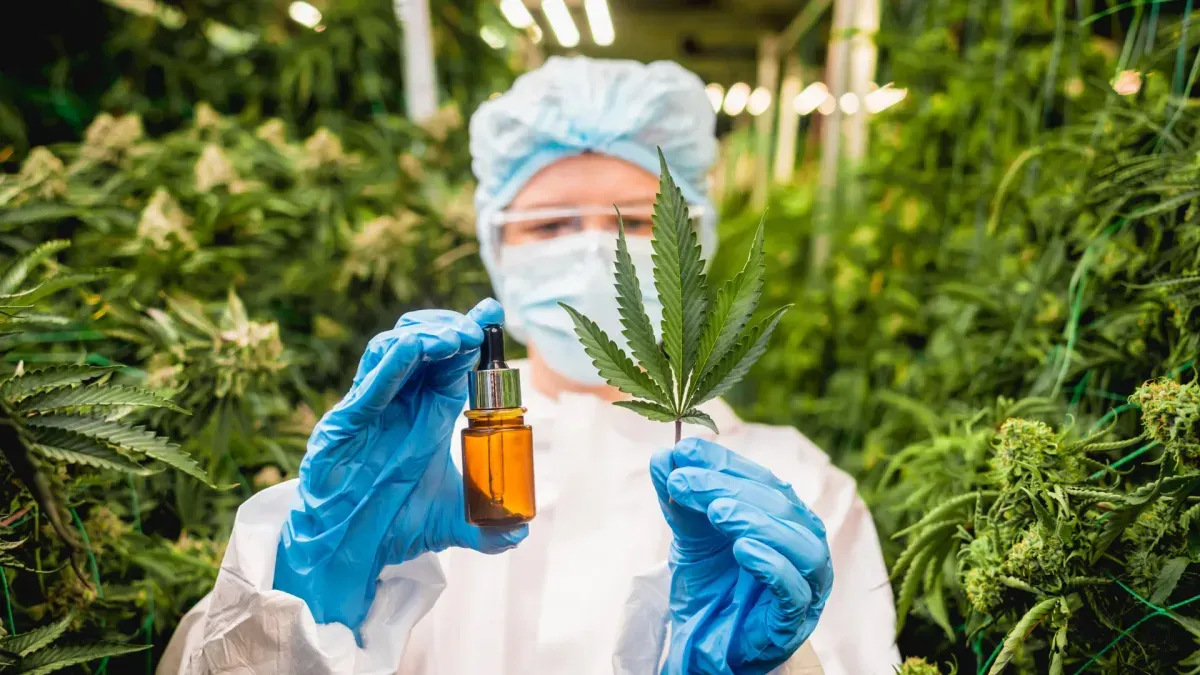
By resurrecting 40-million-year-old enzymes, scientists have uncovered cannabis' chemical evolutionary roadmap—and unlocked new possibilities for medical cannabis production.
Researchers at Wageningen University & Research employed ancestral sequence reconstruction to rebuild ancient cannabis enzymes.
These enzymes, unlike their modern counterparts, produced multiple cannabinoids simultaneously—including THC, CBD, and CBC—before evolution drove specialization in contemporary variants.
The team identified a CBC-specific ancestral enzyme, which could enable the development of novel medicinal cannabis strains with elevated CBC content.
"What once seemed evolutionarily 'unfinished' turns out to be highly useful," said Robin van Velzen, a lead researcher on the project. The study, published January 15, 2026 in Plant Biotechnology Journal (DOI: 10.1111/pbi.70475), highlights the robustness and ease of production of these ancestral enzymes in yeast systems.
This biotechnological advancement may streamline large-scale cannabinoid manufacturing, reducing reliance on traditional cannabis cultivation.
Van Velzen further noted that introducing the CBC-specific enzyme into cannabis plants could "lead to innovative medicinal varieties."
However, the team acknowledges that further research is needed to optimize enzyme expression and cannabinoid yield in both yeast and plant systems.