


What if the only way to modernize a 1960s mainframe is to send an AI agent inside its maze of buttons, delays, and unspoken rules?
Inside Amazon’s AGI Lab, researchers are doing exactly that. Instead of building shiny new dashboards, they train reinforcement-learning agents on high-fidelity simulations of crusty legacy systems—complete with every wart: modal delays, field-validation quirks, backend restarts.
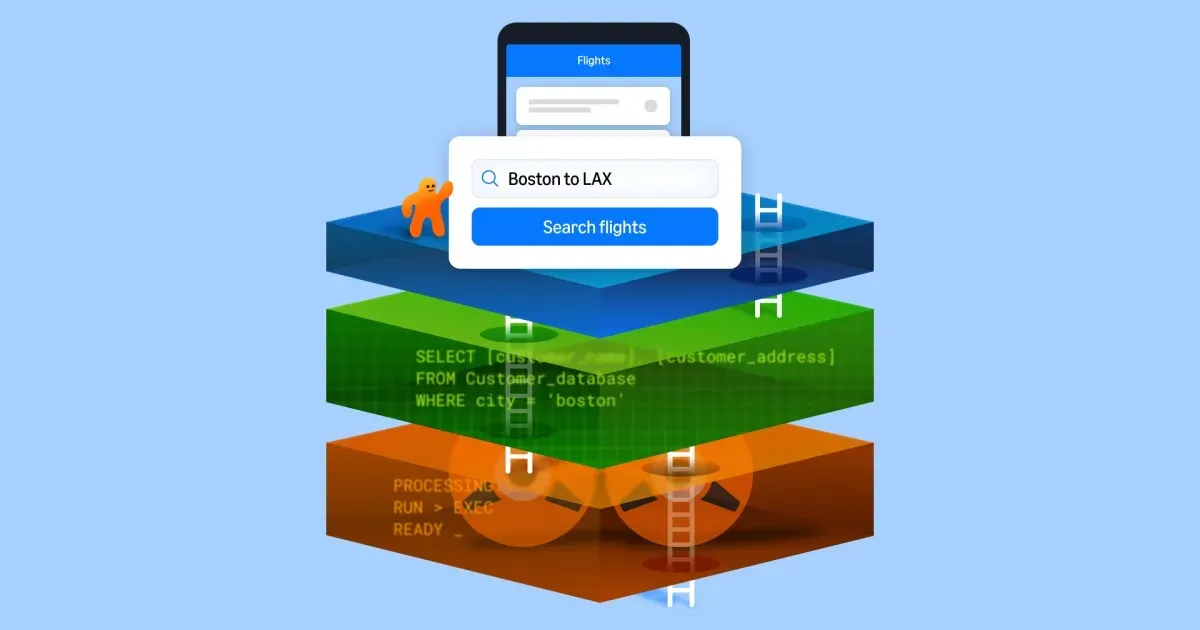
The goal is not to replace the system but to give it a synthetic API that a five-person firm can call without touching a line of COBOL.
Jason Laster, an AGI software engineer at Amazon, said:
"I want to push our RL training gyms to have all of the warts, all of the issues."
Those "warts" are the undocumented sequences human clerks memorize like which field must be entered twice or which screen must never be refreshed.
Agents replay these synthetic environments millions of times until they internalize the same muscle memory, then surface a clean, modern interface that leaves the original terminal untouched.
For a small shop still keying invoices into a DOS box, the contrast is stark. A rip-and-replace project can stall when hidden dependencies surface, budgets spiral, and the migration collapses. An AI layer that acts as a universal API promises the upside faster data entry, fewer errors without the downtime or capital risk.
Amazon stresses this is research, not a shipped product. No consumer license, timeline, or pricing exists. But if the lab proves agents can safely navigate production mainframes, the 1990s terminal in your back office could gain a second life no forklift required.
Source: Amazon