


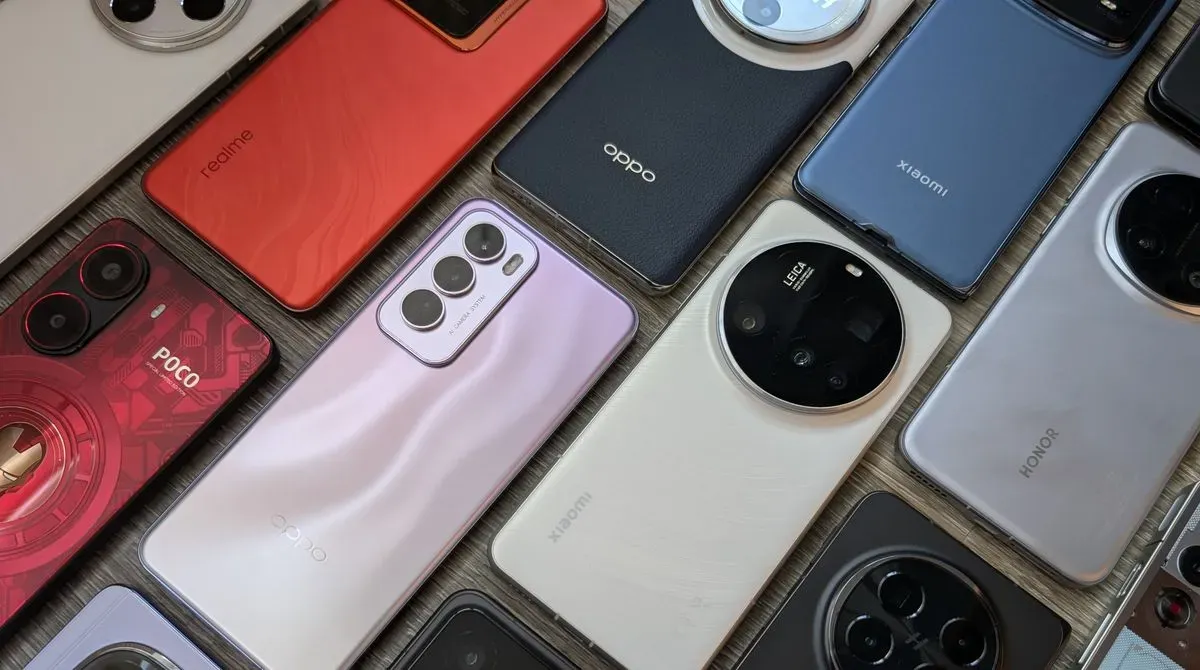
Flagship smartphones with cutting-edge AI features can't be legally purchased in the US due to a mix of regulatory bans and market strategy—here’s what users risk when importing.
Honor’s Magic OS boasts polished AI features. The system integrates scene recognition, real-time translation, and adaptive battery management—capabilities that remain inaccessible to US buyers due to geopolitical restrictions.
Chinese manufacturers like Xiaomi and Oppo similarly release AI-integrated devices, such as Xiaomi’s HyperOS camera enhancements, which lack US compatibility because of cellular network band differences. These devices often operate on frequency ranges incompatible with American carriers, limiting 5G performance and VoLTE support.
Realme GT7 Pro: it also lacks wireless charging. This hardware limitation compounds the challenge of using imported devices, which may require manual activation of the Google Play Store and face app compatibility issues.
Banking apps, for instance, frequently reject non-US-locked devices, while carrier-specific services like emergency calling may fail entirely. Customs costs further complicate the process, with tariffs and import duties varying by state.
Small business owners seeking to test these devices must verify real-world performance using tools like Kimovil. The platform provides detailed network band compatibility reports and app support checks. However, even with such tools, users risk encountering unlisted regional restrictions or software bugs that emerge post-import.